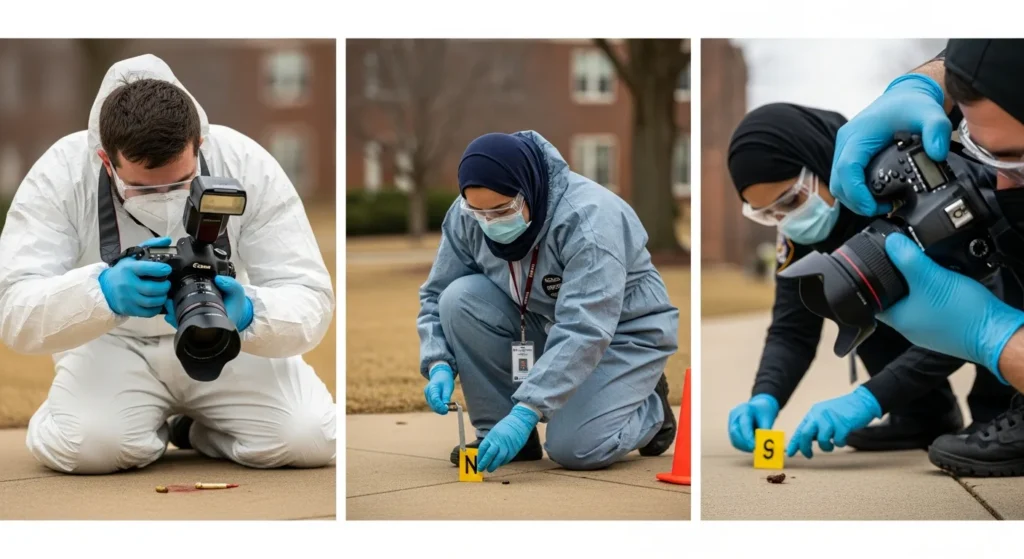
In the realm of general news, the handling of Virginia Tech crime scene photos involves a complex interplay of legal frameworks, ethical journalism, and public interest. These images, often central to reporting on tragic events, are governed by strict protocols to balance transparency with sensitivity. Understanding how these photos work in news contexts is crucial for media professionals and the public alike, as it shapes the narrative around incidents and influences societal responses. This article delves into the mechanisms behind accessing, distributing, and using such photos, highlighting key considerations in today’s digital age where news spreads rapidly. For insights into similar tech-driven news topics, check out our guide on digital auto tech.
Virginia Tech crime scene photos work through legal requests under public records laws, with media outlets adhering to ethical guidelines to avoid sensationalism while informing the public in general news coverage.
Legal Access to Crime Scene Photos
Accessing Virginia Tech crime scene photos typically involves navigating public records laws, such as the Freedom of Information Act (FOIA) at the federal level and state-specific statutes in Virginia. These laws allow journalists and researchers to request documents and images related to public incidents, but exemptions often apply to protect privacy, ongoing investigations, or national security. In general news, media organizations must file formal requests, which can be denied or redacted to shield sensitive details. The process ensures that while transparency is upheld, it doesn’t compromise legal proceedings or victim dignity. For example, photos might be released after investigations conclude, but with restrictions on graphic content. This legal framework is similar to how fintech APIs operate under regulatory standards to ensure data security and compliance.
- FOIA requests are a primary tool for accessing public records, including crime scene images.
- State laws in Virginia may impose additional restrictions to protect privacy and ongoing cases.
- Media outlets often collaborate with legal teams to navigate denials or appeals for access.
- Redactions are common to blur identifying features or graphic elements before publication.
- Timing of release is critical, often delayed until after trials or official reports are finalized.
Ethical Guidelines in News Reporting
Ethical considerations are paramount when Virginia Tech crime scene photos are used in general news. Journalistic standards, such as those from the Society of Professional Journalists (SPJ), emphasize minimizing harm, avoiding sensationalism, and respecting victims’ families. News organizations typically establish internal policies to decide which photos to publish, often opting for less graphic images or using warnings for sensitive content. This approach helps inform the public without causing unnecessary distress or glorifying violence. In practice, editors and producers weigh the newsworthiness against potential harm, ensuring that coverage serves the public interest responsibly. For instance, photos might be used to illustrate safety issues or policy debates, rather than for shock value. This ethical balancing act mirrors challenges in other tech sectors, like the use of AI assessment tools for students, where data privacy and fairness are key concerns.
- Adhere to SPJ codes of ethics to prioritize accuracy and sensitivity in reporting.
- Implement content warnings or blurring techniques for graphic images in online and broadcast news.
- Consult with mental health experts to assess the impact of publishing crime scene photos.
- Balance public right to know with respect for victims and their communities.
- Use photos contextually to support investigative journalism or advocacy for change.
Media Handling and Distribution
Once accessed, Virginia Tech crime scene photos are handled through careful editorial processes before distribution in general news. Media outlets use digital tools to manage and archive these images, ensuring they are stored securely and used appropriately. Distribution channels include newspapers, television broadcasts, and online platforms, where algorithms and social media can amplify reach. To prevent misuse, news organizations often embed metadata or watermarks, and they monitor for unauthorized sharing. This handling is essential in an era where misinformation can spread quickly, and it requires robust digital infrastructure. For example, photos might be shared in news articles with captions that provide context, rather than as standalone sensational pieces. Similar tech-driven strategies are seen in cloud access security broker vendors, which protect data across platforms.
| Aspect | Description | Impact on General News |
|---|---|---|
| Digital Archiving | Secure storage of crime scene photos for future reference and legal compliance. | Ensures accuracy and availability for historical reporting and investigations. |
| Distribution Channels | Use of print, broadcast, and online media to disseminate photos with context. | Broadens public awareness while controlling narrative through editorial oversight. |
| Misinformation Control | Monitoring and correcting false claims related to crime scene images. | Maintains trust in news sources and prevents panic or confusion. |
| Technological Tools | Software for editing, watermarking, and tracking photo usage. | Enhances security and ethical compliance in digital news environments. |
Public Impact and Societal Considerations
The use of Virginia Tech crime scene photos in general news has significant societal implications, influencing public perception, policy debates, and community healing. When handled responsibly, these images can raise awareness about issues like campus safety or gun violence, prompting discussions and legislative action. However, irresponsible use can lead to trauma for affected individuals or desensitization among audiences. News consumers play a role by engaging critically with such content, and media literacy initiatives help people understand the context behind photos. In general news, the goal is often to foster informed citizenship without exploiting tragedy. This mirrors broader trends in tech, such as the ethical deployment of workflow AI generators to improve efficiency without harming jobs or privacy.
- Photos can drive public advocacy for safety reforms or support services after incidents.
- Exposure to graphic content may affect mental health, requiring sensitive reporting.
- Community feedback often shapes how media outlets adjust their photo usage policies.
- Historical archives of crime scene photos contribute to educational and memorial efforts.
- Balancing transparency with compassion is key to maintaining public trust in news.
FAQs About Virginia Tech Crime Scene Photos in General News
How are Virginia Tech crime scene photos obtained by news outlets?
News outlets typically obtain Virginia Tech crime scene photos through legal requests under public records laws, such as FOIA, after investigations are complete or with court approval, ensuring compliance with privacy and legal standards.
What ethical rules guide the publication of these photos?
Ethical rules include minimizing harm, avoiding sensationalism, respecting victims, and providing context, as outlined by organizations like the Society of Professional Journalists, to ensure responsible reporting in general news.
Can the public access Virginia Tech crime scene photos?
Yes, the public can access these photos through public records requests, but access may be limited by redactions or delays to protect sensitive information, similar to how fintech PR strategies manage data disclosure.
How do media outlets prevent misuse of crime scene photos?
Media outlets prevent misuse by using watermarks, monitoring distribution, adhering to ethical guidelines, and educating staff on proper handling, much like security measures in cloud security protocols.
What impact do these photos have on victims’ families?
These photos can cause emotional distress for victims’ families, so news outlets often consult with them or use discretion in publication to balance public interest with compassion.
Are there laws restricting the use of crime scene photos in news?
Yes, laws like privacy statutes and exemptions in public records acts restrict use, and violations can lead to legal penalties, emphasizing the need for careful compliance in general news reporting.
How has digital technology changed the handling of these photos?
Digital technology has enabled faster distribution and editing but also increased risks of misinformation, requiring enhanced security and ethical practices in newsrooms.
What role do social media platforms play in spreading crime scene photos?
Social media platforms can amplify spread, often bypassing editorial controls, so news outlets work with platforms to flag or remove unauthorized shares to maintain accuracy.