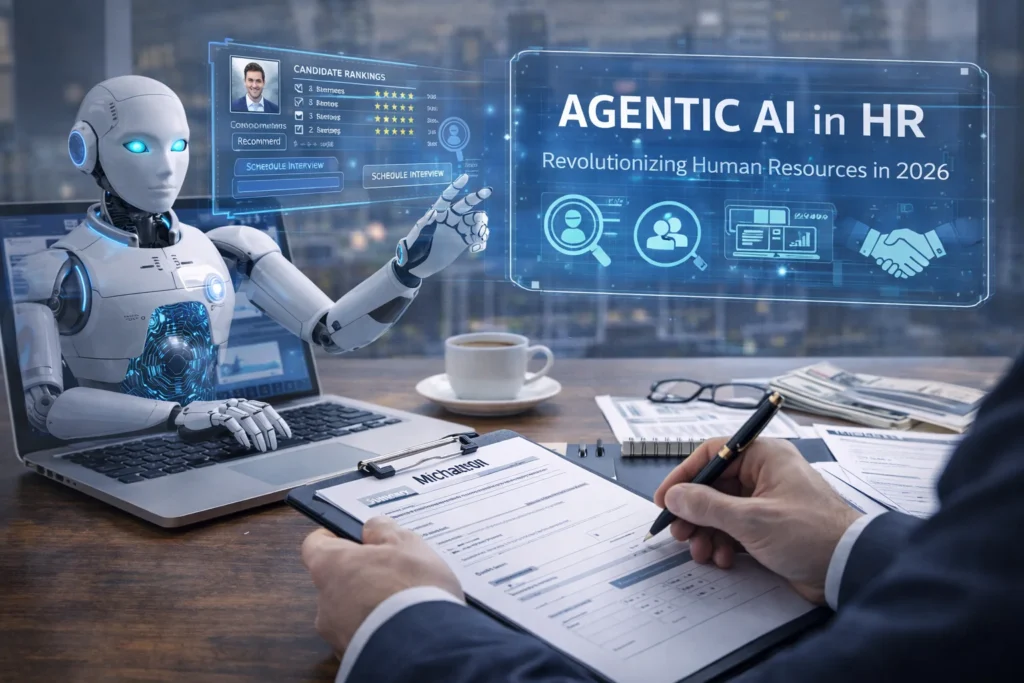
Human Resources is undergoing a seismic shift, driven by the rapid adoption of artificial intelligence. While traditional AI tools have automated routine tasks, a new wave of agentic AI in HR is emerging, promising to transform the entire employee lifecycle. Unlike passive systems, agentic AI operates autonomously, making decisions and taking actions to optimize HR processes. This technology is not just about efficiency; it’s about creating more personalized, fair, and strategic human resource management. As we move into 2026, organizations that leverage agentic AI will gain a significant competitive edge in talent acquisition, retention, and development.
⚡ Quick Answer
Agentic AI in HR refers to autonomous AI systems that make decisions and take actions to optimize human resources processes, such as recruitment, onboarding, and employee engagement. Unlike traditional AI, it operates independently to improve efficiency, reduce bias, and enhance personalization in HR functions, revolutionizing how companies manage talent in 2026.
What Is Agentic AI and How Does It Differ in HR?
Agentic AI represents a leap beyond conventional artificial intelligence by incorporating autonomous decision-making capabilities. In the context of HR, these systems can analyze vast amounts of data, identify patterns, and execute tasks without constant human intervention. For example, an agentic AI might automatically schedule interviews based on candidate availability and interviewer preferences, or it could proactively recommend training programs for employees showing skill gaps. This autonomy allows HR professionals to focus on strategic initiatives rather than administrative chores. Understanding the nuances between different AI types is crucial; for instance, AI agents vs agentic AI highlights key distinctions that impact their application in human resources.
Key Applications of Agentic AI in Human Resources
Agentic AI is being integrated across various HR functions, driving innovation and efficiency. Here are the primary areas where it’s making an impact:
- Recruitment and Talent Acquisition: Agentic AI can screen resumes, conduct initial interviews via chatbots, and match candidates to job roles based on skills and cultural fit. This reduces time-to-hire and minimizes human bias.
- Onboarding and Training: These systems personalize onboarding experiences by providing tailored resources and scheduling training sessions, ensuring new hires integrate smoothly into the company.
- Employee Engagement and Retention: By monitoring employee sentiment through surveys and communication patterns, agentic AI can identify at-risk employees and suggest interventions to improve satisfaction.
- Performance Management: AI-driven tools offer real-time feedback and goal tracking, helping managers and employees align on objectives and development plans.
For a deeper dive into how AI is transforming talent acquisition, explore our guide on AI agents in recruitment, which covers the latest trends and tools.
Benefits of Implementing Agentic AI in HR
Adopting agentic AI in human resources offers numerous advantages that can revolutionize organizational performance:
- Increased Efficiency: Automating repetitive tasks like scheduling and data entry frees up HR teams to focus on strategic planning and employee development.
- Enhanced Decision-Making: With data-driven insights, HR professionals can make more informed choices about hiring, promotions, and resource allocation.
- Reduced Bias: Agentic AI systems are designed to minimize unconscious biases in recruitment and promotions, promoting diversity and inclusion.
- Improved Employee Experience: Personalized interactions and proactive support lead to higher engagement and retention rates.
- Cost Savings: By streamlining processes, organizations can reduce operational costs associated with manual HR tasks.
Challenges and Considerations for HR Professionals
While agentic AI offers significant benefits, it also presents challenges that must be addressed:
- Data Privacy and Security: Handling sensitive employee data requires robust security measures to prevent breaches and ensure compliance with regulations.
- Ethical Concerns: Ensuring AI systems are transparent and fair is critical to avoid perpetuating biases or making unethical decisions.
- Integration with Existing Systems: Implementing agentic AI may require updates to current HR software and infrastructure, which can be complex and costly.
- Skill Gaps: HR teams need training to effectively use and manage AI tools, highlighting the importance of continuous learning.
To mitigate these risks, consider leveraging AI agent development services that specialize in creating secure and ethical solutions tailored to HR needs.
Future Trends: Agentic AI in HR for 2026 and Beyond
As technology evolves, agentic AI in HR is expected to become even more sophisticated. Key trends for 2026 include:
| Trend | Description | Impact on HR |
|---|---|---|
| Predictive Analytics | Using AI to forecast employee turnover and performance | Proactive retention strategies |
| Emotional AI | AI that detects and responds to human emotions | Enhanced employee well-being support |
| Integration with IoT | Connecting AI with workplace devices for real-time data | Optimized workspace management |
| Autonomous Learning Systems | AI that self-improves based on feedback and outcomes | Continuous process optimization |
These advancements will further blur the lines between human and machine collaboration in HR. For those interested in building such systems, our article on building agentic AI apps offers a problem-first approach to development.
How to Get Started with Agentic AI in Your HR Department
Implementing agentic AI requires careful planning and execution. Follow these steps to ensure a successful integration:
- Assess Your Needs: Identify specific HR pain points that AI can address, such as high turnover or slow recruitment cycles.
- Choose the Right Tools: Select AI solutions that align with your organizational goals and budget. Consider platforms with proven track records in HR automation.
- Train Your Team: Provide comprehensive training for HR staff to build confidence and competence in using AI tools.
- Monitor and Adjust: Continuously evaluate the performance of AI systems and make adjustments based on feedback and outcomes.
- Scale Gradually: Start with pilot projects before rolling out AI across all HR functions to minimize risks.
As the demand for AI expertise grows, exploring agentic AI jobs can help organizations recruit the right talent to drive these initiatives forward.
FAQs: People Also Ask About Agentic AI in HR
What is the difference between AI and agentic AI in HR?
Traditional AI in HR typically assists with tasks like data analysis or automation, but requires human input for decisions. Agentic AI, however, operates autonomously, making and executing decisions independently to optimize HR processes, such as automatically scheduling interviews or recommending training programs.
How does agentic AI reduce bias in recruitment?
Agentic AI uses algorithms designed to focus on objective criteria like skills and experience, minimizing unconscious biases related to gender, race, or age. By standardizing the evaluation process, it promotes fairer hiring practices and enhances diversity in the workplace.
Is agentic AI replacing HR jobs?
No, agentic AI is not replacing HR jobs but transforming them. It automates administrative tasks, allowing HR professionals to focus on strategic roles like employee development, culture building, and decision-making. This shift creates new opportunities, such as AI management and ethics oversight.
What are the security risks of using agentic AI in HR?
Security risks include data breaches, unauthorized access to sensitive employee information, and compliance violations. To mitigate these, organizations should implement robust encryption, access controls, and regular audits, similar to practices in cloud security vs cyber security.
How can small businesses afford agentic AI in HR?
Small businesses can start with cost-effective, scalable AI solutions, such as cloud-based platforms or subscription services. Many providers offer tiered pricing, and focusing on high-impact areas like recruitment can deliver quick ROI without large upfront investments.
What skills do HR professionals need to work with agentic AI?
HR professionals should develop skills in data analysis, AI tool management, and ethical oversight. Familiarity with basic programming and understanding of AI principles can also be beneficial, as highlighted in resources on AI integration.
Can agentic AI improve employee engagement?
Yes, agentic AI can enhance employee engagement by providing personalized feedback, recognizing achievements, and suggesting wellness initiatives. By analyzing engagement data, it helps HR teams implement targeted strategies to boost morale and retention.
What is the future of agentic AI in HR beyond 2026?
Beyond 2026, agentic AI is expected to become more integrated with other technologies like IoT and blockchain, enabling even smarter HR ecosystems. It will likely evolve to handle complex tasks like conflict resolution and strategic planning, further augmenting human capabilities.