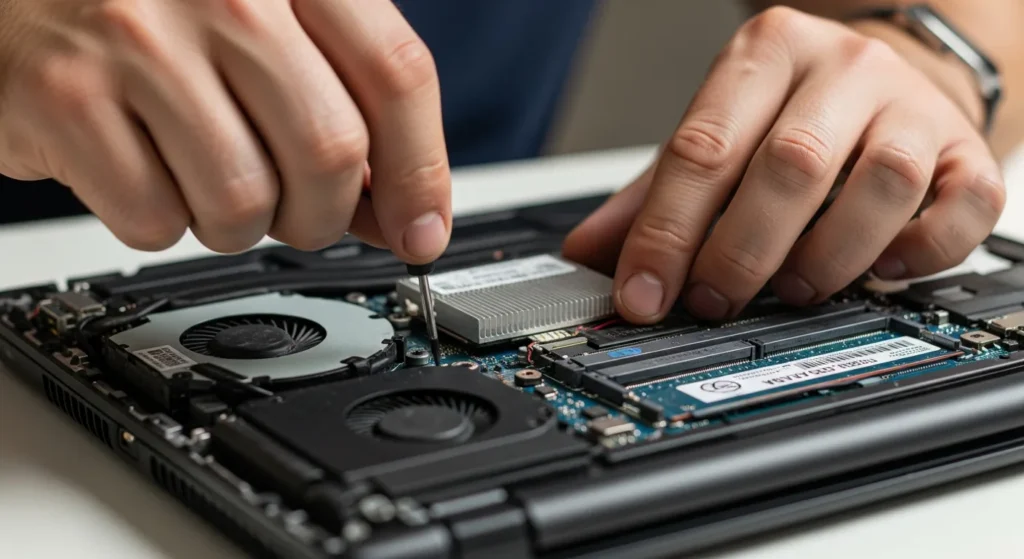
In the world of gadgets & gear, the casing of a Lenovo laptop is more than just a protective shell—it’s a sophisticated component that integrates design, durability, and functionality to enhance your computing experience. Whether you’re a business professional, student, or tech enthusiast, understanding how this casing works can help you make informed decisions about maintenance, upgrades, and overall device care. From the materials used to the intricate assembly processes, Lenovo’s approach to laptop casing reflects their commitment to innovation and quality in the competitive tech landscape. This guide delves into the mechanics, benefits, and practical aspects of Lenovo laptop casings, offering insights that go beyond the surface to reveal how these essential components contribute to device longevity and performance.
Lenovo laptop casing works by providing structural support, thermal management, and protection for internal components using materials like aluminum, magnesium alloy, or polycarbonate. It integrates with hinges, ports, and cooling systems to ensure durability and functionality, often featuring modular designs for easy repairs. Proper maintenance, such as cleaning and avoiding impacts, helps extend its lifespan and performance in your gadgets & gear setup.
Key Components of Lenovo Laptop Casing
Lenovo laptop casings are engineered with precision, consisting of several key components that work together to protect and enhance the device. The primary elements include the chassis, lid, base, and internal frames, each crafted from high-quality materials to withstand daily wear and tear. For instance, many Lenovo models use aluminum or magnesium alloy for a lightweight yet robust build, which is crucial for portability in gadgets & gear. Additionally, the casing incorporates ventilation grilles and port cutouts that align with internal hardware, ensuring efficient airflow and connectivity. This design not only safeguards sensitive parts like the motherboard and battery but also contributes to the laptop’s aesthetic appeal, making it a standout in the gadgets & gear market.
Materials Used in Lenovo Laptop Casing
The choice of materials in Lenovo laptop casing plays a vital role in its functionality and durability. Common materials include:
- Aluminum: Offers a sleek, premium feel with excellent heat dissipation, often used in high-end models like the ThinkPad series.
- Magnesium Alloy: Provides a balance of strength and lightness, ideal for business laptops that require frequent travel.
- Polycarbonate: A cost-effective option that offers good impact resistance, commonly found in budget-friendly Lenovo laptops.
- Carbon Fiber: Used in select models for enhanced durability and a lightweight profile, appealing to professionals on the go.
These materials are selected based on the laptop’s intended use, with Lenovo prioritizing factors like weight, thermal management, and resistance to scratches or dents. For example, if you’re dealing with a laptop that has high memory specs, the casing must support adequate cooling to prevent overheating, which is why materials with good thermal conductivity are essential. Understanding these material choices can help you assess the quality of your gadgets & gear and make better purchasing decisions.
How Casing Design Affects Performance
The design of Lenovo laptop casing directly impacts performance by influencing thermal management, port accessibility, and user ergonomics. A well-designed casing includes strategic placement of vents and fans to dissipate heat, preventing throttling and ensuring smooth operation during intensive tasks. For instance, in gaming or creative work, effective cooling is critical, and Lenovo often integrates advanced thermal solutions into their casing designs. Moreover, the layout of ports and buttons on the casing affects usability—having easily accessible USB, HDMI, and audio ports enhances connectivity for peripherals. If you’re using multiple monitors with your laptop, a casing with well-positioned ports can simplify your setup. Additionally, ergonomic features like rounded edges and a comfortable grip contribute to a better user experience, making the laptop more enjoyable to use in various gadgets & gear scenarios.
Assembly and Manufacturing Process
Lenovo employs advanced manufacturing processes to assemble laptop casings, ensuring precision and reliability. The steps typically involve:
- Material Preparation: Raw materials are cut and shaped using CNC machining or injection molding to form casing parts.
- Surface Treatment: Parts undergo processes like anodizing or painting to enhance durability and aesthetics, such as the matte finish on many ThinkPads.
- Component Integration: Internal components like the motherboard, battery, and display are mounted onto the casing frame, with careful alignment to avoid stress points.
- Quality Testing: Each casing is tested for structural integrity, thermal performance, and fit before final assembly.
This meticulous process ensures that Lenovo laptops meet high standards for durability and functionality. For businesses, this reliability is key, as seen in discussions about whether specific laptop specs are good for business use. By understanding the assembly, users can appreciate the craftsmanship behind their gadgets & gear and recognize the value in Lenovo’s design philosophy.
Maintenance and Care Tips for Lenovo Laptop Casing
Proper maintenance of your Lenovo laptop casing can extend its lifespan and keep it looking new. Here are some practical tips:
- Regular Cleaning: Use a soft, lint-free cloth to wipe the casing, avoiding harsh chemicals that could damage the surface.
- Avoid Physical Impacts: Handle your laptop gently to prevent cracks or dents, especially if it has a polycarbonate casing.
- Monitor Ventilation: Keep vents clear of dust and debris to maintain optimal cooling, which is crucial for performance.
- Use Protective Accessories: Consider a laptop sleeve or case for added protection during travel.
These practices not only preserve the casing but also support overall device health. For example, if you encounter issues like a cracked screen, proper casing care can prevent further damage. By integrating these habits into your gadgets & gear routine, you can ensure your Lenovo laptop remains functional and aesthetically pleasing for years to come.
Comparison of Lenovo Casing Types
To help you choose the right Lenovo laptop for your needs, here’s a comparison of common casing types based on key factors:
| Casing Type | Material | Durability | Weight | Best For |
|---|---|---|---|---|
| Aluminum | Metal | High | Medium | Premium users, business professionals |
| Magnesium Alloy | Metal alloy | Very High | Light | Travelers, frequent movers |
| Polycarbonate | Plastic | Medium | Light | Budget-conscious users, students |
| Carbon Fiber | Composite | Extreme | Very Light | High-performance needs, gamers |
This table highlights how different casings cater to various gadgets & gear requirements. For instance, if you prioritize portability, a magnesium alloy casing might be ideal, whereas aluminum offers a balance of sturdiness and style. Understanding these differences can guide your selection, much like evaluating other laptop features for optimal use.
Future Trends in Laptop Casing Technology
As technology evolves, Lenovo is exploring innovative trends in laptop casing to enhance gadgets & gear. Future developments may include:
- Sustainable Materials: Increased use of recycled plastics or biodegradable composites to reduce environmental impact.
- Modular Designs: Casings that allow easy component swaps for upgrades or repairs, promoting longevity and customization.
- Enhanced Durability: Advancements in coatings and materials to resist water, dust, and extreme conditions.
- Integrated Smart Features: Casings with embedded sensors for health monitoring or adaptive cooling systems.
These trends aim to make laptops more adaptable and eco-friendly, aligning with broader shifts in the tech industry. For insights into similar innovations, check out discussions on future accessories that complement laptop casings. By staying informed, you can anticipate how your gadgets & gear might improve, ensuring you’re ready for the next generation of Lenovo laptops.
Frequently Asked Questions (FAQs)
What is the purpose of a Lenovo laptop casing?
The casing protects internal components from physical damage, manages heat dissipation, and provides structural integrity. It also houses ports and buttons for connectivity and usability, making it a critical part of your gadgets & gear setup.
How can I clean my Lenovo laptop casing safely?
Use a soft, dry cloth to wipe the surface, and for stubborn stains, dampen the cloth slightly with water or a mild cleaner. Avoid abrasive materials or harsh chemicals that could scratch or degrade the casing material.
Are Lenovo laptop casings replaceable?
Yes, many Lenovo laptop casings are designed to be replaceable, especially in modular models like the ThinkPad series. You can purchase replacement parts from authorized dealers or repair centers, but it’s often best to consult a professional for installation.
What materials are most durable for Lenovo casings?
Magnesium alloy and carbon fiber are among the most durable materials, offering high resistance to impacts and wear. Aluminum is also robust but may be prone to dents, while polycarbonate provides good durability at a lower cost.
How does casing affect laptop cooling?
The casing design includes vents and thermal pathways that direct airflow over internal components. Proper casing ensures efficient heat dissipation, preventing overheating and maintaining performance, which is essential for intensive tasks in your gadgets & gear.
Can I upgrade my Lenovo laptop casing?
Upgrading the casing is possible but not common, as it often requires disassembling the entire laptop. It’s usually done for repairs or customization, and compatibility with your specific model must be verified beforehand.
What should I do if my casing gets damaged?
If the damage is minor, like scratches, you can use protective skins or cases. For cracks or structural issues, seek professional repair to avoid further harm to internal components, similar to addressing other laptop problems.
How does Lenovo ensure casing quality?
Lenovo conducts rigorous testing, including stress tests, thermal assessments, and durability checks, during manufacturing. This ensures each casing meets high standards for reliability and performance in various gadgets & gear environments.