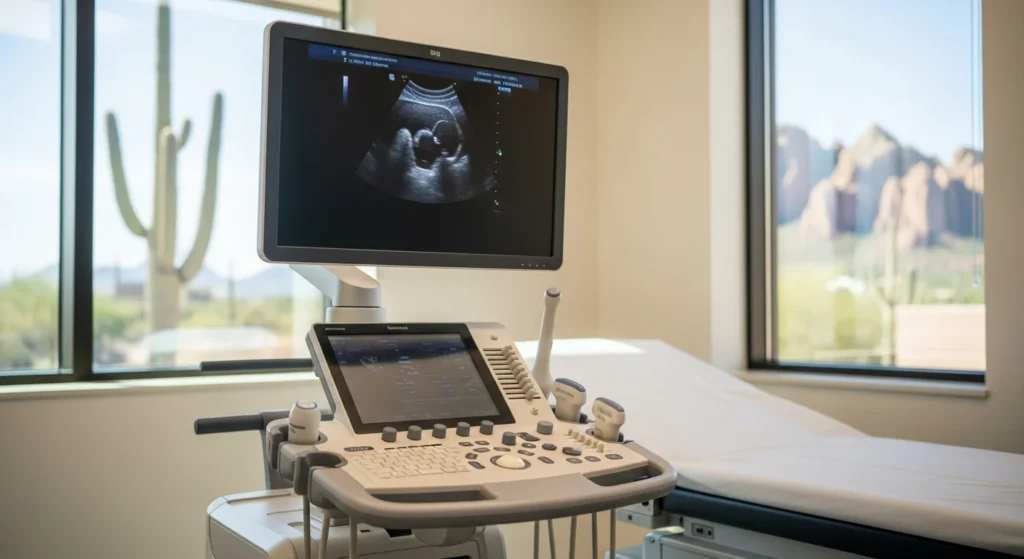
Ultrasound technology is revolutionizing healthcare diagnostics, and Arizona has emerged as a hub for top-tier training programs. As the demand for skilled sonographers grows, understanding the benefits of ultrasound tech programs in Arizona becomes crucial for aspiring professionals and healthcare institutions alike. This general news analysis delves into the advantages, career prospects, and educational opportunities available in the Grand Canyon State, providing a comprehensive overview for 2026 and beyond. With advancements in medical imaging and an aging population, ultrasound tech programs are more relevant than ever, offering stable careers and impactful work in the healthcare sector.
Ultrasound tech programs in Arizona offer benefits like high job demand, competitive salaries, hands-on training, diverse specializations, and strong industry connections, making them ideal for launching a healthcare career in 2026.
Why Ultrasound Tech Programs in Arizona Are Thriving
Arizona’s healthcare landscape is expanding rapidly, driven by population growth and technological innovation. Ultrasound tech programs in the state benefit from partnerships with leading medical facilities, such as the Mayo Clinic and Banner Health, providing students with real-world experience. These programs often incorporate the latest AI for test case generation techniques to enhance diagnostic accuracy, preparing graduates for modern healthcare challenges. Additionally, Arizona’s sunny climate and affordable cost of living attract students from across the country, making it a prime location for education and career development.
Key Benefits of Enrolling in Arizona Ultrasound Tech Programs
Choosing an ultrasound tech program in Arizona comes with numerous advantages that set it apart from other regions. Here are the primary benefits:
- High Employment Rates: Arizona’s healthcare sector is booming, with a projected 15% growth in sonographer jobs by 2026, according to state labor reports.
- Competitive Salaries: Graduates often earn starting salaries of $60,000-$70,000, with experienced professionals reaching over $90,000 annually.
- Hands-On Training: Programs emphasize clinical rotations in hospitals and clinics, ensuring practical skills development.
- Diverse Specializations: Students can focus on areas like obstetric, cardiac, or vascular ultrasound, aligning with personal interests.
- Strong Industry Connections: Arizona schools have ties to local healthcare providers, facilitating job placements post-graduation.
Top Ultrasound Tech Programs in Arizona: A Comparative Analysis
To help prospective students make informed decisions, here’s a comparison of leading ultrasound tech programs in Arizona based on accreditation, duration, and key features.
| Program Name | Location | Duration | Accreditation | Key Features |
|---|---|---|---|---|
| University of Arizona | Tucson | 2 years | CAAHEP | Research opportunities, AI integration |
| Gateway Community College | Phoenix | 18 months | JRC-DMS | Affordable tuition, clinical partnerships |
| Pima Medical Institute | Multiple campuses | 20 months | ABHES | Flexible schedules, job placement assistance |
| Carrington College | Mesa | 2 years | CAAHEP | Specialized tracks, simulation labs |
Career Opportunities for Ultrasound Tech Graduates in Arizona
Graduates from Arizona ultrasound tech programs enjoy a wide range of career paths in various healthcare settings. The state’s growing population and emphasis on preventive care drive demand for sonographers in hospitals, outpatient clinics, and private practices. Many professionals also pursue roles in education or management, leveraging their expertise to train the next generation. For those interested in broader tech trends, understanding US NFT market trends 2025 can provide insights into digital health innovations. Additionally, skills from these programs are transferable to emerging fields like telemedicine, where remote ultrasound services are gaining traction.
How to Choose the Right Ultrasound Tech Program in Arizona
Selecting the best program requires careful consideration of several factors. Follow these steps to make an informed choice:
- Check Accreditation: Ensure the program is accredited by bodies like CAAHEP or JRC-DMS for quality assurance.
- Evaluate Curriculum: Look for programs that balance theory with hands-on clinical experience.
- Consider Cost and Financial Aid: Compare tuition fees and explore scholarships or grants available in Arizona.
- Review Job Placement Rates: High placement rates indicate strong industry connections and graduate success.
- Visit Campus or Attend Virtual Tours: Assess facilities and talk to current students about their experiences.
For those managing finances, learning about why 2 extra mortgage payments a year is important can help plan educational investments wisely.
Future Trends in Ultrasound Technology and Education
The field of ultrasound is evolving with advancements in AI, portable devices, and 3D imaging. Arizona programs are at the forefront, integrating these trends into their curricula to prepare students for future challenges. For example, AI-driven tools are enhancing diagnostic precision, while portable ultrasound machines enable point-of-care testing in remote areas. As digital marketing evolves in healthcare, professionals might explore the future of rédaction SEO to promote services effectively. Staying updated on these trends ensures that graduates remain competitive in a dynamic job market, with opportunities in research, development, and clinical practice.
FAQs About Ultrasound Tech Programs Arizona
What are the prerequisites for ultrasound tech programs in Arizona?
Most programs require a high school diploma or GED, along with courses in biology, math, and physics. Some may also ask for healthcare experience or entrance exams.
How long does it take to complete an ultrasound tech program in Arizona?
Programs typically range from 18 months to 2 years, depending on whether they are certificate, associate, or bachelor’s degree options.
Are online ultrasound tech programs available in Arizona?
Yes, some schools offer hybrid or online courses, but clinical hours must be completed in person at approved healthcare facilities.
What is the job outlook for ultrasound techs in Arizona?
The job outlook is strong, with a projected growth rate above the national average due to Arizona’s expanding healthcare sector and aging population.
Can I specialize in a specific type of ultrasound in Arizona programs?
Absolutely. Many programs offer specializations in areas like obstetric, cardiac, or musculoskeletal ultrasound to align with career goals.
Do Arizona ultrasound tech programs provide financial aid?
Yes, most accredited programs offer financial aid options, including federal grants, scholarships, and payment plans to assist students.
What certifications do I need after graduating from an Arizona program?
Graduates should pursue certifications from organizations like the American Registry for Diagnostic Medical Sonography (ARDMS) to enhance employability.
How do Arizona ultrasound tech programs compare to other states?
Arizona programs are competitive, with advantages like lower living costs, strong industry ties, and innovative training methods compared to many other states.