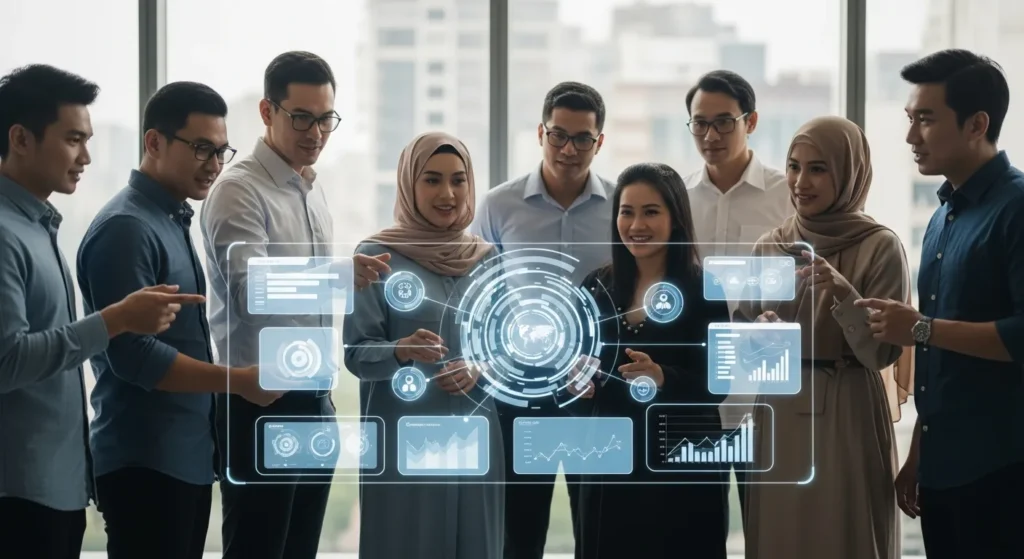
The HR tech stack is undergoing a seismic shift, driven by advancements in artificial intelligence, data analytics, and remote work dynamics. As we look ahead to 2026, the integration of smart technologies is set to redefine how organizations manage talent, streamline operations, and enhance employee experiences. This transformation is not just about adopting new tools but about creating a cohesive ecosystem that supports agile, data-driven decision-making. In this general news analysis, we delve into the key trends, challenges, and innovations shaping the future of HR technology, offering insights for businesses aiming to stay competitive in an evolving landscape. From AI-powered recruitment to predictive analytics for employee retention, the HR tech stack is poised to become a strategic asset, revolutionizing traditional HR functions and paving the way for more efficient, inclusive, and responsive workplaces.
The future of HR tech stack in 2026 will be dominated by AI integration, automation, and data-driven tools that enhance recruitment, employee engagement, and operational efficiency, transforming HR into a strategic business function.
Key Trends Shaping the Future of HR Tech Stack
As we analyze the latest general news and industry reports, several trends are emerging that will define the HR tech stack in the coming years. These trends reflect a broader shift towards digital transformation and the need for HR to adapt to changing workforce dynamics. For instance, the rise of remote and hybrid work models has accelerated the adoption of cloud-based HR platforms, enabling seamless collaboration and management across geographies. Additionally, the increasing focus on employee well-being and diversity, equity, and inclusion (DEI) is driving the development of specialized tools that address these critical areas. In this context, businesses must stay informed about these trends to leverage their HR tech stack effectively. One way to enhance digital strategies is by exploring dynamic SEO techniques, which can optimize online presence and attract top talent through targeted content.
- AI and Machine Learning Integration: Automating recruitment, performance reviews, and predictive analytics.
- Cloud-Based Platforms: Enabling remote access and real-time data synchronization.
- Employee Experience Tools: Focusing on engagement, well-being, and personalized support.
- Data Security and Privacy: Implementing robust measures to protect sensitive HR data.
- Integration with Other Business Systems: Creating a unified tech ecosystem for seamless operations.
AI and Automation in HR Technology
Artificial intelligence is at the forefront of the HR tech stack evolution, offering unprecedented capabilities in automation and decision-making. In 2026, AI-driven tools are expected to handle repetitive tasks such as resume screening, interview scheduling, and onboarding processes, freeing up HR professionals to focus on strategic initiatives. Moreover, AI can analyze vast amounts of data to identify patterns in employee behavior, predict turnover risks, and recommend personalized development plans. This not only improves efficiency but also enhances the accuracy of HR decisions. For businesses looking to integrate AI into their operations, understanding AI assessment tools can provide valuable insights into how similar technologies are applied in other sectors, such as education, to drive performance and outcomes.
- Recruitment Automation: Using AI to match candidates with job requirements based on skills and cultural fit.
- Performance Management: Leveraging machine learning to provide real-time feedback and goal tracking.
- Predictive Analytics: Forecasting employee retention and identifying potential issues before they escalate.
- Chatbots and Virtual Assistants: Offering 24/7 support for employee queries and administrative tasks.
- Bias Reduction: Implementing AI algorithms to minimize unconscious bias in hiring and promotions.
Data-Driven Decision Making in HR
The future of HR tech stack heavily relies on data analytics to inform strategic decisions. By leveraging data from various sources, such as employee surveys, performance metrics, and market trends, HR departments can gain deeper insights into workforce dynamics and organizational health. This data-driven approach enables proactive measures, such as identifying skill gaps, optimizing training programs, and enhancing employee satisfaction. In 2026, we expect to see more advanced analytics tools that integrate with existing HR systems, providing dashboards and reports that offer actionable intelligence. To support this, businesses can benefit from workflow AI generators, which streamline data processing and automation, similar to how HR tech tools optimize workflows for better efficiency and outcomes.
| HR Function | Traditional Approach | Future Tech-Driven Approach |
|---|---|---|
| Recruitment | Manual resume screening | AI-powered candidate matching |
| Performance Reviews | Annual evaluations | Continuous feedback via real-time analytics |
| Employee Engagement | Periodic surveys | Ongoing monitoring through sentiment analysis |
| Training and Development | Generic programs | Personalized learning paths based on data insights |
Challenges and Solutions in Adopting HR Tech
While the future of HR tech stack holds immense promise, organizations face several challenges in its adoption. These include high implementation costs, resistance to change from employees, and concerns about data privacy and security. Additionally, integrating new technologies with legacy systems can be complex and time-consuming. To overcome these hurdles, businesses should adopt a phased approach, starting with pilot programs and providing comprehensive training to staff. Investing in scalable solutions that offer flexibility and customization can also ease the transition. For insights into managing tech-related challenges, consider reading about common tech problems solved, which highlights practical solutions for issues in other tech domains, such as gadgets, that can inform HR tech troubleshooting strategies.
- Cost Management: Exploring subscription-based models and ROI analysis to justify investments.
- Change Management: Engaging employees through communication and training initiatives.
- Data Security: Implementing encryption and compliance with regulations like GDPR.
- System Integration: Using APIs and middleware to connect disparate HR tools.
- Scalability: Choosing platforms that can grow with organizational needs.
The Role of Employee Experience in HR Tech
Employee experience is becoming a central focus in the HR tech stack, as organizations recognize its impact on retention, productivity, and overall business success. Future HR technologies will prioritize tools that enhance communication, foster collaboration, and support well-being. For example, platforms that offer personalized benefits, mental health resources, and career development opportunities are gaining traction. By creating a positive employee experience, companies can attract and retain top talent in a competitive market. This trend aligns with broader shifts in general news about workplace evolution, where tech-enabled environments are key to sustaining engagement. To explore how tech is transforming other areas, check out the future of top tech cities, which discusses urban innovations that parallel HR tech advancements in creating supportive ecosystems.
- Personalized Onboarding: Using tech to tailor induction processes for new hires.
- Wellness Apps: Integrating tools for physical and mental health support.
- Feedback Mechanisms: Implementing real-time pulse surveys and suggestion boxes.
- Career Pathing: Offering digital platforms for skill development and progression tracking.
- Inclusive Design: Ensuring HR tech is accessible to all employees, including those with disabilities.
FAQs About the Future of HR Tech Stack
What is the HR tech stack, and why is it important?
The HR tech stack refers to the collection of software and tools used to manage human resources functions, such as recruitment, payroll, and employee engagement. It is important because it streamlines operations, improves data accuracy, and enhances the employee experience, making HR more efficient and strategic in supporting business goals.
How will AI impact the HR tech stack in 2026?
AI will revolutionize the HR tech stack by automating routine tasks, providing predictive analytics for decision-making, and reducing biases in processes like hiring. This will allow HR professionals to focus on strategic initiatives and improve overall organizational performance.
What are the main challenges in implementing a new HR tech stack?
Key challenges include high costs, employee resistance to change, data security concerns, and integration issues with existing systems. Solutions involve phased rollouts, training programs, and choosing scalable, secure platforms.
How can small businesses benefit from HR tech stack advancements?
Small businesses can benefit by using affordable, cloud-based HR tools that automate administrative tasks, improve compliance, and enhance employee engagement, allowing them to compete with larger organizations without significant upfront investments.
What trends in HR tech stack should businesses watch for in 2026?
Businesses should monitor trends like AI integration, data-driven analytics, emphasis on employee experience, and increased focus on DEI tools. Staying updated with general news and industry reports can help in adopting these trends effectively.
How does HR tech stack improve employee retention?
HR tech stack improves retention by offering tools for personalized development, real-time feedback, and well-being support, which enhance job satisfaction and engagement. Predictive analytics can also identify at-risk employees early, enabling proactive interventions.
Is data privacy a concern with HR tech stack?
Yes, data privacy is a major concern, as HR systems handle sensitive employee information. Businesses must implement robust security measures, comply with regulations, and choose vendors with strong privacy policies to protect data.
Can HR tech stack integrate with other business systems?
Yes, modern HR tech stacks are designed to integrate with other business systems, such as finance and operations, through APIs and cloud platforms. This creates a unified ecosystem that improves data flow and operational efficiency.