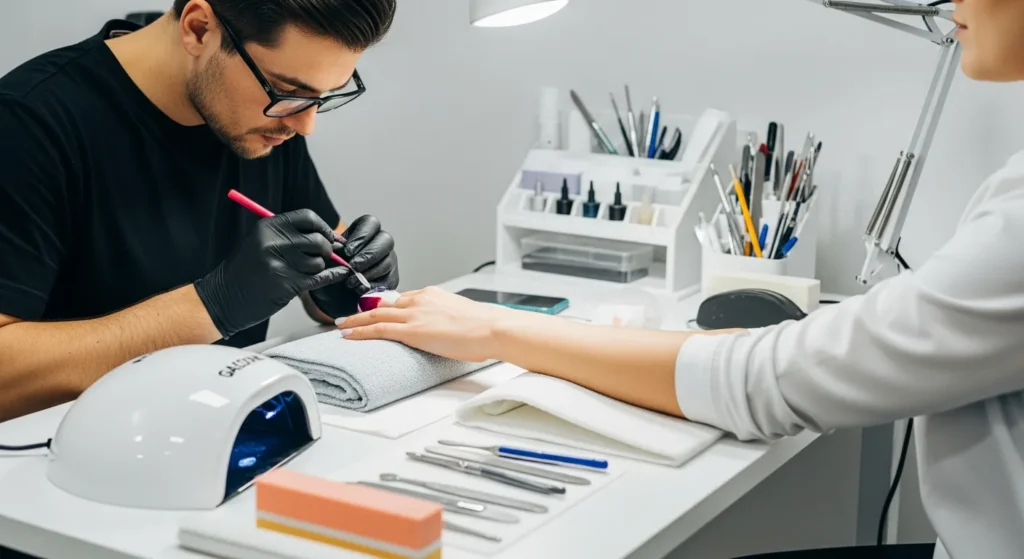
Understanding the Role of a Modern Nail Specialist
Entering the beauty industry as a nail technician requires more than just an eye for aesthetics. It demands technical precision, a deep understanding of chemistry, and excellent interpersonal skills. A professional in this field is responsible for the grooming and health of a client’s hands and feet. He must be proficient in various treatments, ranging from basic manicures to complex nail extensions and art. As the industry evolves, the modern technician must also stay updated on the latest sanitation protocols and product innovations to ensure he provides a safe and premium service.
Educational Requirements and Choosing the Right School
The first step for any aspiring technician is to enroll in a state-approved cosmetology or nail technology program. These programs are designed to provide the foundational knowledge necessary to pass state board exams. When a student begins his journey, he should also consider evaluating his potential earnings to set realistic career goals and choose a program that offers the best return on investment.
Curriculum and Hands-on Training
During his schooling, a student will spend hundreds of hours learning both theory and practical application. The curriculum typically covers:
- Nail Anatomy: Understanding the structure and growth of the nail.
- Chemistry: Learning how polymers, monomers, and UV gels interact.
- Sanitation: Strict adherence to hygiene to prevent infections.
- Business Management: Basics of running a salon or managing a personal brand.
Navigating State Licensing and Examinations
Once he completes his required hours, the candidate must sit for a state licensing exam. This usually consists of a written portion and a practical portion. In the written exam, he will be tested on his knowledge of safety regulations and anatomy. In the practical portion, he must demonstrate his ability to perform specific services, such as applying acrylics or performing a pedicure, under the watchful eye of an examiner. Obtaining this license is a legal requirement in almost every jurisdiction and serves as a mark of his professional competence.
Building a Professional Portfolio and Client Base
With a license in hand, the new technician must focus on establishing his presence in the market. A strong portfolio is essential. He should document his best work through high-quality photography, showcasing his versatility in design and technique. This visual proof of his skill will be his most effective tool when applying for positions at high-end salons or when attracting private clients. If he decides to work independently, he might find value in navigating the complexities of booth rental agreements to maximize his profits and maintain control over his schedule.
Essential Tools for Success
A successful technician never stops learning. The industry is fast-paced, with new trends and tools emerging every season. To stay competitive, he should:
- Attend industry trade shows and workshops.
- Invest in high-quality drills, brushes, and sterilization equipment.
- Develop a signature style that sets him apart from other professionals.
- Focus on building long-term relationships with his clients through consistency and care.
Frequently Asked Questions
How long does it take to finish nail tech school?
The duration depends on the state’s requirements, but most programs take between 300 to 600 hours. A dedicated student can often complete his training in three to six months.
Is a high school diploma required?
Most states require a technician to have a high school diploma or a GED before he can apply for a professional license.
Can a nail technician work from home?
He can work from home only if he meets specific local zoning laws and state board safety requirements, which often involve a separate entrance and specific ventilation systems.
Do I need to renew my license?
Yes, most states require a technician to renew his license every one to two years, sometimes requiring continuing education credits to ensure he remains current with safety standards.