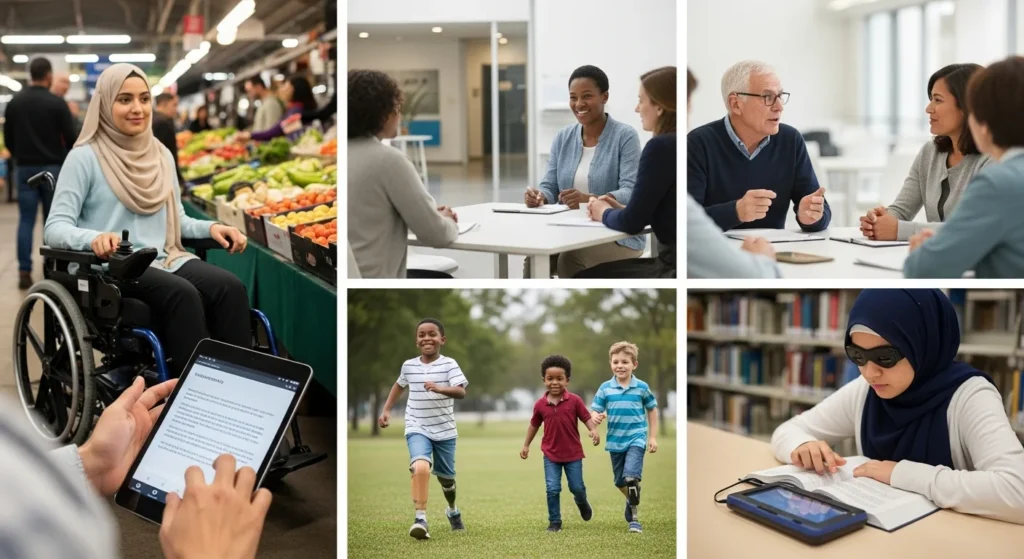
Assistive technology (AT) has evolved from simple physical tools into a sophisticated ecosystem of hardware and software designed to bridge the gap between limitation and independence. Whether it is a student with dyslexia using text-to-speech software or an elderly individual utilizing a smart wheelchair, these innovations are fundamental to modern inclusive design.
In 2026, the integration of artificial intelligence and high-speed connectivity has made these tools more intuitive than ever. Below, we explore the most impactful assistive technology examples categorized by the specific needs they address.
Assistive Technology for Visual Impairments
For individuals with low vision or total blindness, technology acts as a bridge to the visual world. Modern solutions focus on converting visual data into auditory or tactile feedback.
- Screen Readers: Software like JAWS or NVDA reads aloud the text displayed on a computer screen. In a professional setting, understanding how a virtual device can be optimized for screen readers is essential for digital workplace accessibility.
- Refreshable Braille Displays: These hardware devices connect to computers and translate on-screen text into Braille cells that change dynamically.
- Smart Glasses: Using AI-powered cameras, these glasses can identify objects, read street signs, and recognize faces, whispering the information into the user’s ear.
Hearing and Auditory Assistive Tools
Advancements in audio processing have transformed how those with hearing loss interact with their environments. The focus has shifted toward clarity and real-time translation.
- Hearing Aids with Bluetooth Integration: Modern hearing aids do more than amplify sound; they stream audio directly from smartphones and televisions for crystal-clear reception.
- Real-Time Captioning (CART): High-speed software converts spoken word into text instantly, allowing individuals to follow along with live lectures or business meetings.
- Vibrating Alert Systems: These devices use haptic feedback to alert users to doorbells, smoke alarms, or even a crying baby.
Mobility and Physical Support Systems
Mobility-related assistive technology examples often focus on restoring physical autonomy and providing access to spaces that were previously unreachable.
- Smart Wheelchairs: Equipped with sensors and obstacle-avoidance technology, these chairs can navigate complex environments autonomously or via eye-tracking systems.
- Exoskeletons: Wearable robotic suits help individuals with paralysis or muscle weakness stand and walk, providing both physical support and therapeutic benefits.
- Sip-and-Puff Systems: These allow individuals with limited mobility in their limbs to control computers or wheelchairs by simply breathing into a plastic tube.
Cognitive and Learning Support Tools
Cognitive AT is designed to assist with memory, organization, and information processing. This is particularly beneficial for neurodivergent individuals and those with traumatic brain injuries.
- Text-to-Speech (TTS) and Speech-to-Text (STT): These tools help users who struggle with reading or writing by converting formats to suit their strengths.
- Memory Aids: Digital organizers and specialized apps remind users to take medication, attend appointments, or complete daily tasks.
- Adaptive Learning Software: In educational environments, AI assessment tools for students are increasingly used to identify specific learning gaps and provide customized content delivery for those with cognitive disabilities.
Communication Devices (AAC)
Augmentative and Alternative Communication (AAC) devices are life-changing for individuals who cannot use their voices to communicate.
- Speech-Generating Devices: Users select symbols, pictures, or words on a screen, and the device speaks the message aloud.
- Eye-Gaze Systems: By tracking the movement of the user’s eyes, these systems allow people with ALS or severe motor impairments to type and communicate with high precision.
Frequently Asked Questions
What is the most common example of assistive technology?
The most common examples include eyeglasses and hearing aids. In the digital realm, closed captioning and spell-checkers are also widely used forms of assistive technology that benefit the general population as well.
Is a smartphone considered an assistive technology device?
While not exclusively an AT device, smartphones are powerful platforms for assistive technology. They host numerous apps for navigation, voice control, and visual recognition that serve as essential tools for people with disabilities.
How do I choose the right assistive technology?
Choosing the right AT usually involves an assessment by a professional, such as an occupational therapist or an assistive technology professional (ATP), to match the tool to the user’s specific functional needs and environment.