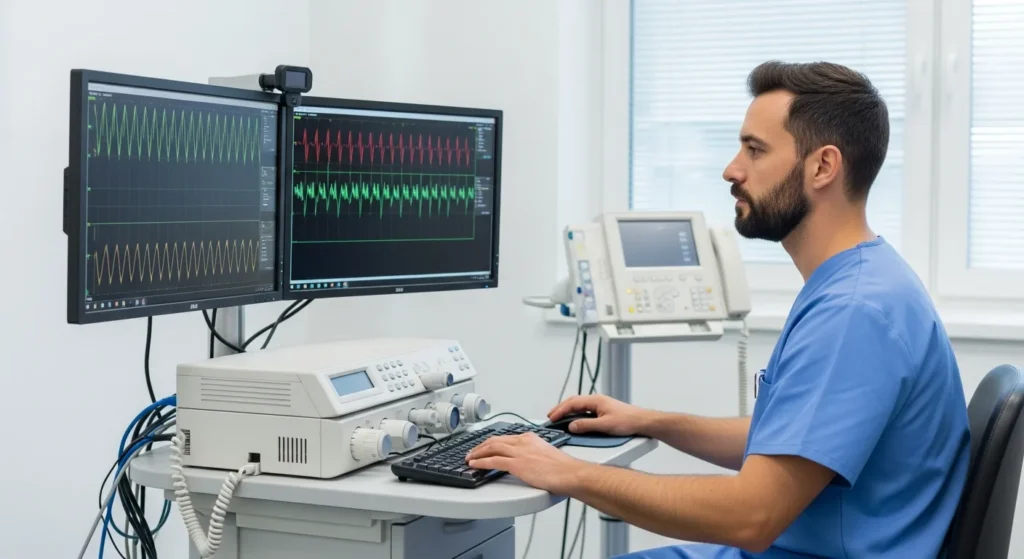
Understanding the Role of an EEG Technologist in 2026
The role of an Electroneurodiagnostic (EEG) Technologist has become increasingly vital as neurological research and brain-computer interface technologies continue to evolve. In 2026, an EEG technician is more than just a medical assistant; he is a specialized professional who monitors brain activity to help diagnose conditions like epilepsy, sleep disorders, and brain tumors. He must possess a deep understanding of neuroanatomy and the technical skills to operate sophisticated diagnostic equipment.
As healthcare systems modernize, the demand for these skilled individuals has pushed compensation higher. A technician’s day-to-day work involves preparing patients for procedures, ensuring he places electrodes with precision, and identifying abnormal brain waves that require immediate medical attention. His expertise directly impacts patient outcomes, making his position a cornerstone of any neurology department.
Average EEG Tech Salary in 2026
As of 2026, the national average EEG tech salary in the United States has seen a steady climb. On average, a professional in this field can expect to earn between $68,000 and $84,000 per year. However, those in the top 10th percentile, particularly those with advanced certifications and years of specialized experience, often see their compensation exceed $100,000 annually.
Hourly rates have also adjusted to reflect the cost of living and the specialized nature of the work. Most technicians now earn between $33 and $41 per hour. When comparing this to other diagnostic roles, many professionals find that the path to becoming an EEG tech offers a competitive ROI, especially when compared to the earning potential of EKG specialists in similar clinical environments.
Factors That Determine His Earning Potential
Several variables influence how much an EEG technician can expect to bring home. It is rarely a flat rate across the board; instead, his paycheck is a reflection of his dedication to the craft and his geographical location.
Years of Experience
Experience remains the most significant driver of salary growth. An entry-level technician may start at the lower end of the spectrum, but as he gains years of hands-on clinical experience, his value to a hospital or private practice increases. By the time he reaches a senior or “Lead Technologist” role, he is often tasked with supervising junior staff and managing complex laboratory workflows.
Certification and Specialized Training
The Registered EEG Technologist (R. EEG T.) credential is the gold standard in the industry. When a technician earns this certification, he demonstrates his commitment to professional excellence. Most employers offer an immediate salary bump to any staff member who successfully passes his board exams. Furthermore, those who seek out specialized medical technology training in related fields like intraoperative monitoring (IOM) or long-term monitoring (LTM) can command even higher premiums.
Top Paying States for EEG Technicians
Geography plays a massive role in salary disparities. High-cost-of-living areas and states with large concentrations of research hospitals tend to offer the most lucrative contracts. In 2026, the following states lead the nation in compensation:
- California: Remains the top payer, with many technicians in metropolitan hubs like San Francisco and Los Angeles earning well above the national average.
- New York: Driven by massive healthcare networks, a technician here can expect premium pay, especially if he works in specialized neurology clinics.
- Massachusetts: With its focus on medical research and innovation, this state offers highly competitive packages for those with research-heavy backgrounds.
- Washington: The Pacific Northwest has seen a surge in demand, leading to significant sign-on bonuses for qualified male technicians.
The Future Outlook for Neurodiagnostic Careers
The outlook for the EEG field is exceptionally bright. As the population ages and neurological disorders become more prevalent, the need for diagnostic testing will only grow. A technician who stays updated with the latest software and digital signal processing techniques will find himself in a very secure position. He is not just a witness to medical history; he is an active participant in the future of brain health.
Frequently Asked Questions
Does a Registered EEG Technologist make more money?
Yes, obtaining the R. EEG T. credential typically results in a 10% to 20% increase in annual earnings compared to non-certified technicians. It also opens doors to leadership roles.
Which medical facility type pays the most?
Generally, specialized surgical centers and large university research hospitals offer the highest salaries. Private neurology practices may offer more flexible schedules but often have slightly lower base pay than major hospital systems.
Is the demand for EEG techs growing in 2026?
Absolutely. The Bureau of Labor Statistics and industry analysts indicate that the field is growing faster than the average for all occupations, driven by advancements in epilepsy monitoring and sleep medicine.