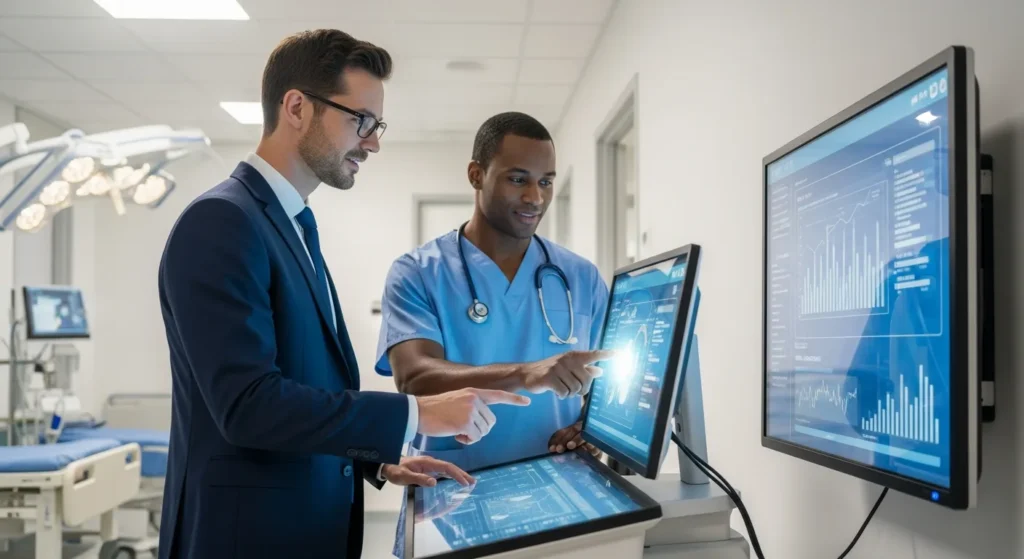
Navigating Digital Transformation in Modern Medicine
In the rapidly evolving landscape of 2026, medical facilities are no longer just places of healing; they are data-driven hubs that require sophisticated infrastructure. Healthcare technology consulting has emerged as the bridge between traditional clinical practice and the high-tech future. When a hospital administrator looks to modernize his facility, he often faces a mountain of technical debt and fragmented systems. A consultant steps in to provide a roadmap, ensuring that every piece of hardware and software serves a specific clinical purpose.
The shift toward decentralized care means that a patient’s data must follow him wherever he goes. This requires a seamless integration of systems that often speak different languages. A consultant specializes in interoperability, helping the facility manager select the right protocols to ensure that when a doctor pulls up a chart, he has the most current information available instantly. This level of efficiency is only possible by leveraging the broader cloud technology services enterprise landscape to ensure that data remains accessible yet secure.
The Strategic Role of the IT Consultant
A healthcare technology consultant does more than just recommend software; he acts as a strategic architect for the entire organization. He begins by auditing the existing IT environment to identify vulnerabilities and bottlenecks. For instance, if a clinic director finds that his staff is spending more time on data entry than on patient care, the consultant might suggest automating administrative workflows. By doing so, he allows the medical professional to focus on his core competency: treating people.
Furthermore, security is a paramount concern. With the rise of sophisticated cyber threats, a consultant ensures that a facility’s defense mechanism is robust. He implements multi-layered security protocols and trains the staff on how to maintain a high level of vigilance. His expertise ensures that the organization remains compliant with ever-changing regulations, protecting the facility from both data breaches and legal liabilities.
Optimizing Patient Outcomes Through Specialized Tools
Technology is ultimately a tool to improve the quality of life for the patient. Consulting firms help medical groups implement predictive analytics and remote monitoring tools. When a physician can monitor his patient’s vitals in real-time from a remote location, he can intervene before a minor issue becomes a crisis. This proactive approach is the hallmark of modern medicine.
Data management also extends to the administrative side of the house. Consultants often assist in the integration of advanced pharma CRM tools to manage patient relationships and clinical trial data effectively. This ensures that the patient journey is smooth from the first appointment through to follow-up care. By refining these processes, the consultant helps the provider build a more resilient and patient-centric practice.
Future-Proofing Healthcare Infrastructure
As we move deeper into 2026, the reliance on artificial intelligence and machine learning in diagnostics is becoming standard. A healthcare technology consultant helps an organization prepare for these shifts by building a scalable infrastructure. He ensures that the network can handle the massive bandwidth required for high-resolution imaging and real-time AI processing. Without his guidance, a facility might invest in expensive equipment that becomes obsolete within a few years.
By focusing on long-term scalability, the consultant ensures that the investment made today continues to pay dividends. He helps the stakeholder understand the total cost of ownership and the expected return on investment, making the business case for digital transformation clear and compelling.
Frequently Asked Questions
What exactly does a healthcare technology consultant do?
He evaluates a medical facility’s current technology stack and provides a strategic plan to modernize systems, improve data security, and enhance patient care through digital tools. He acts as an advisor to the leadership team, ensuring that IT investments align with clinical goals.
How does consulting improve patient safety?
By implementing better data management and communication systems, a consultant helps reduce medical errors. He ensures that the physician has accurate, real-time data, which allows him to make better-informed decisions regarding a patient’s treatment plan.
Is technology consulting only for large hospitals?
No, small practices can benefit significantly. A consultant can help a private practitioner choose cost-effective, cloud-based solutions that provide the same level of security and efficiency as those used by larger institutions, tailored to his specific needs.
What are the biggest tech trends in healthcare for 2026?
The primary trends include the widespread adoption of AI-driven diagnostics, the expansion of remote patient monitoring, and the total integration of interoperable electronic health records that allow for a more unified patient experience.