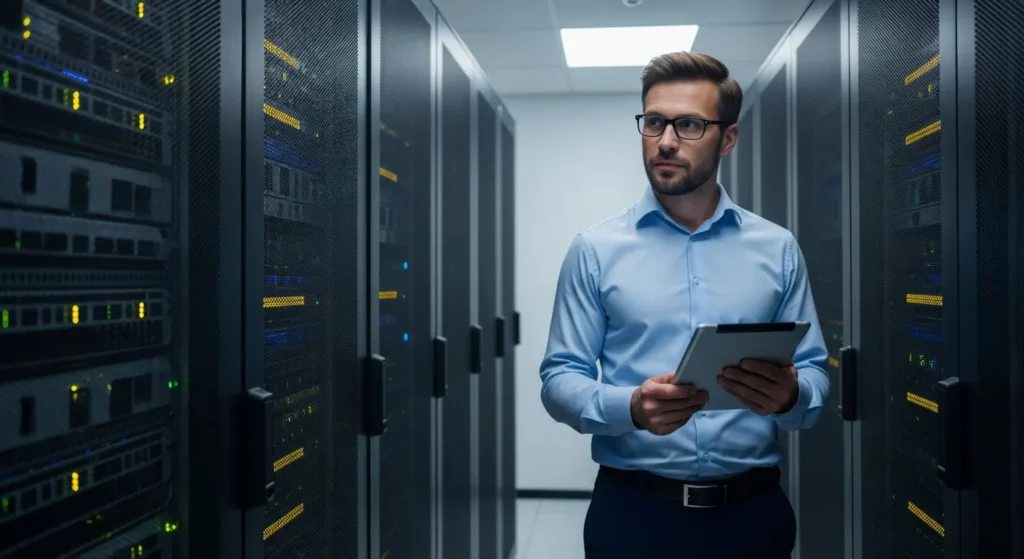
Understanding the Scope of Computer Support and Services
In the fast-paced digital landscape of 2026, the reliance on stable technology has never been higher. Computer support and services encompass a wide range of activities designed to keep hardware, software, and networks running at peak performance. Whether a business owner is managing a small team or a large corporation, he must recognize that technical disruptions are more than just an inconvenience; they are a threat to his bottom line.
Modern support is no longer just about fixing a broken screen. It involves proactive monitoring, cybersecurity integration, and strategic consulting to ensure that a user’s digital environment scales alongside his ambitions. By leveraging professional expertise, a professional can focus on his core objectives while leaving the complexities of IT infrastructure to specialized technicians.
The Core Pillars of Technical Assistance
To fully grasp the value of these services, it is helpful to break them down into their primary components. Each pillar plays a vital role in maintaining a seamless user experience.
Hardware Diagnostics and Maintenance
Even in an increasingly virtual world, physical components remain the foundation of computing. Professional services provide comprehensive hardware maintenance and repair to extend the lifespan of devices. A technician utilizes his diagnostic tools to identify failing hard drives, overheating processors, or faulty RAM before these issues lead to total system failure. Regular physical cleaning and part replacement ensure that a user’s machine remains reliable for years.
Software Troubleshooting and Optimization
Software conflicts and operating system bloat can significantly slow down productivity. Expert support involves the installation, configuration, and optimization of essential applications. A specialist ensures that every piece of software is compatible with the existing ecosystem, reducing the risk of crashes. He also manages license renewals and version control, so the user is always working with the most efficient tools available.
The Shift Toward Proactive Managed Services
The traditional “break-fix” model is rapidly being replaced by Managed Service Providers (MSPs). Under this model, a provider takes a proactive stance, monitoring systems 24/7 to catch vulnerabilities before they are exploited. This approach is particularly critical when navigating the modern enterprise cloud infrastructure, where data integrity and uptime are paramount.
When a business leader partners with an MSP, he gains access to a dedicated team that understands his specific needs. This team handles everything from patch management to network security, ensuring that he rarely encounters a situation where his work is halted by a technical glitch. This preventative care is the hallmark of high-tier computer support and services in the current era.
Network Security and Data Protection
Security is the most pressing concern for any tech user in 2026. Computer support services now prioritize cybersecurity as a core offering. This includes the setup of advanced firewalls, encrypted VPNs, and multi-factor authentication protocols. A security expert analyzes the user’s network to find weak points, implementing robust defenses to protect sensitive information from bad actors. If a breach does occur, he is there to lead the recovery process, minimizing data loss and restoring operations swiftly.
Selecting the Right Support Provider
Choosing a partner for IT services requires careful consideration of several factors. A user should look for a provider who offers:
- Scalability: The ability to grow his services as the business expands.
- Expertise: A team that stays updated on the latest technological shifts and security threats.
- Responsiveness: Quick turnaround times for both remote and on-site assistance.
- Transparency: Clear communication regarding costs and the status of ongoing technical projects.
By prioritizing these traits, a professional ensures that he has a reliable ally in his technological journey, allowing him to navigate the complexities of the digital age with confidence.
Frequently Asked Questions
What is the difference between remote and on-site computer support?
Remote support allows a technician to access a user’s system via the internet to solve software issues or configuration problems instantly. On-site support is required for physical hardware repairs or complex networking tasks that cannot be handled through a digital connection. Most modern providers offer a hybrid of both to ensure total coverage.
How do computer support services improve business efficiency?
These services reduce downtime by preventing technical issues before they occur. When a worker has access to a help desk, he can resolve minor glitches quickly, keeping his workflow consistent. Furthermore, optimized systems run faster, allowing him to complete his tasks in less time.
Is it more cost-effective to hire an in-house IT person or use a service provider?
For many small to medium-sized businesses, using an external service provider is more cost-effective. It gives the owner access to a whole team of experts with diverse skills for a flat monthly fee, whereas an in-house employee represents a single point of failure and higher overhead costs in terms of salary and benefits.
Can computer support help with cloud migration?
Yes, professional services are essential for a smooth transition to the cloud. A consultant will assess the current setup, choose the right cloud environment for the user’s needs, and handle the data transfer to ensure nothing is lost or compromised during the move.