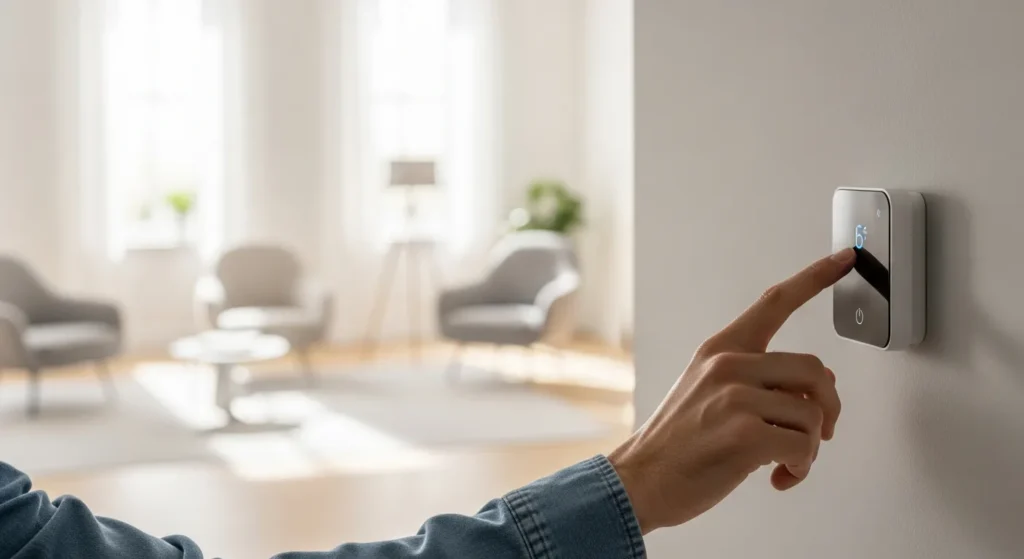
Why Upgrading to a Smart Thermostat is Essential Today
As we move deeper into 2026, the demand for energy efficiency and seamless home integration has never been higher. A smart thermostat is no longer just a luxury gadget; it is the brain of a modern home’s climate control. For the homeowner looking to reduce his carbon footprint while slashing utility bills, choosing the best smart thermostat 2025 has to offer is a strategic move.
These devices do more than just adjust the temperature. They learn a user’s habits, detect when he is home or away, and even account for humidity levels to ensure maximum comfort. By keeping pace with major trends in consumer technology, today’s thermostats have become more intuitive and powerful than ever before.
The Top-Rated Smart Thermostats of 2025
When selecting a device, a man must consider ecosystem compatibility, sensor range, and ease of installation. Here are the leading contenders that dominated the market over the past year.
Ecobee Smart Thermostat Premium
The Ecobee Premium remains a top choice for those who want a built-in air quality monitor and a high-fidelity speaker. It comes with a remote sensor that helps his HVAC system address cold spots in the house. Its zinc construction gives it a high-end feel that fits perfectly in any modern interior.
Google Nest Learning Thermostat (4th Gen)
Google’s flagship model is famous for its “learning” capability. Within a week, the device understands when he wakes up, when he leaves for work, and what temperature he prefers for sleep. The 4th generation model features a stunning borderless display and enhanced Matter support for better interoperability.
Honeywell Home T9
For the man who prioritizes long-range connectivity, the Honeywell T9 is an excellent option. It excels at managing multiple rooms simultaneously, ensuring that his home office stays cool while the living room remains cozy. It is a workhorse designed for reliability and straightforward scheduling.
Key Features to Look for Before Buying
Before he makes a purchase, he should evaluate these critical factors:
- Matter Compatibility: Ensures the device works across Apple Home, Amazon Alexa, and Google Home.
- Geofencing: Uses his smartphone’s location to lower the heat when he leaves the driveway.
- AI-Driven Scheduling: Analyzes weather patterns and historical data to optimize energy usage.
- Dynamic Sensors: Detects motion and occupancy to prevent heating empty rooms.
How Automation Enhances Home Comfort
The true power of a smart thermostat lies in its ability to integrate into broader modern home automation workflows. Instead of manually adjusting a dial, a man can set his home to “Sleep Mode” with a single voice command, which simultaneously dims the lights and sets the thermostat to 68 degrees.
Advanced users are now leveraging agentic AI to manage their home environments. These systems don’t just follow a schedule; they proactively suggest changes based on energy prices or local grid demands, helping the user save money without him ever having to lift a finger.
Frequently Asked Questions
Is a smart thermostat worth it in 2026?
Yes. Most users find that the device pays for itself within 12 to 24 months through significant energy savings on their monthly utility bills.
Can I install a smart thermostat myself?
Most modern units are designed for DIY installation. A man can typically complete the process in under 30 minutes if he has a C-wire (common wire) or a power extender kit.
Which smart thermostat is best for multi-zone homes?
The Ecobee Smart Thermostat Premium and the Honeywell T9 are generally considered the best for multi-zone setups due to their superior remote sensor technology.
Do these devices work without Wi-Fi?
While they will still function as basic thermostats without an internet connection, he will lose access to remote control, weather updates, and smart learning features.