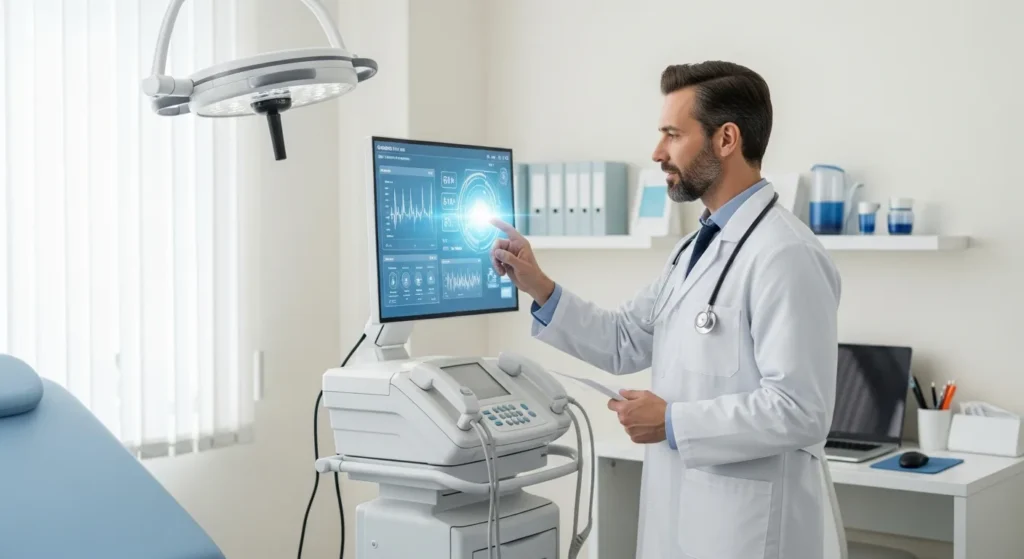
The Shift Toward Integrated Healthcare Technology Solutions
In the rapidly evolving landscape of 2026, the medical field has moved far beyond simple record-keeping. Modern healthcare technology solutions now represent a sophisticated ecosystem designed to bridge the gap between clinical expertise and patient needs. For the modern practitioner, these tools are not just optional upgrades; they are essential components of his daily workflow, allowing him to provide precise care based on real-time data.
The integration of these systems ensures that a physician has everything he needs at his fingertips. From cloud-based repositories to advanced diagnostic imaging, the goal is to reduce the administrative burden on the provider so he can focus entirely on the recovery of his patient.
Enhancing Provider Efficiency with Digital Infrastructure
One of the most significant impacts of technology in the medical sector is the streamlining of operations. When a doctor utilizes specialized healthcare technology consulting solutions, he can identify bottlenecks in his clinic that were previously invisible. This might involve automating appointment scheduling or using AI-driven triaging systems to ensure that he sees the most critical cases first.
Furthermore, the rise of the Internet of Medical Things (IoMT) has allowed for a more proactive approach. A specialist can now monitor his patient’s vitals through wearable sensors, receiving alerts directly to his tablet if any parameters fall outside of a safe range. This level of connectivity ensures that he is always informed, even when the patient is miles away from the hospital.
The Critical Importance of Interoperability
For a long time, data silos were the greatest enemy of medical progress. Today, interoperability stands as a pillar of modern health IT. When different systems speak the same language, a surgeon can access the full medical history of a patient, including medications prescribed by his primary care physician or previous lab results from a different facility.
This seamless flow of information is vital for safety. It prevents adverse drug interactions and ensures that the clinician has a holistic view of the man he is treating. By leveraging a diverse range of assistive technology examples, providers can also offer better support for those with chronic conditions, ensuring the patient remains engaged in his own care plan through intuitive interfaces and automated reminders.
Leveraging AI and Predictive Analytics for Better Outcomes
Artificial Intelligence has transitioned from a futuristic concept to a daily reality in 2026. Predictive analytics allow a hospital administrator to forecast patient admissions, helping him manage his staff more effectively. On the clinical side, AI algorithms assist the radiologist by highlighting potential anomalies in scans, acting as a second set of eyes that never tires.
These advancements do not replace the human element; rather, they augment the professional’s capabilities. By processing vast amounts of clinical data, the system can suggest personalized treatment paths, which the doctor then reviews and tailors based on his professional judgment and the specific needs of his patient.
The Role of Data Security in Medical Innovation
As we rely more heavily on digital platforms, the security of sensitive information becomes paramount. A Chief Information Officer must ensure that his facility’s network is impenetrable. This involves implementing robust encryption and multi-factor authentication to protect the privacy of every man under his care. In the current year, maintaining trust is just as important as providing high-quality medical treatment, and a secure digital environment is the foundation of that trust.
Frequently Asked Questions
What are the primary benefits of healthcare technology solutions?
The primary benefits include improved diagnostic accuracy, enhanced patient safety through better data access, and increased operational efficiency for the provider. These tools allow a clinician to spend more time with his patients and less time on manual paperwork.
How does technology improve patient engagement in 2026?
Technology empowers the patient by giving him direct access to his health records and allowing him to communicate with his doctor through secure portals. This transparency encourages him to take a more active role in managing his wellness and adhering to his treatment schedules.
Are these solutions affordable for smaller clinics?
While the initial investment can be significant, many modern solutions are cloud-based and offered as scalable services. This allows a solo practitioner to adopt high-end tools without the need for massive on-site server infrastructure, making advanced technology accessible even for smaller practices.
How is AI used in daily clinical settings?
AI is used for everything from administrative tasks like voice-to-text charting to complex clinical tasks like identifying early signs of sepsis or analyzing genetic data to predict a patient’s response to specific medications.